Overview
The Bengal is a domestic cat wearing a leopard's coat. Bred from crosses between the Asian leopard cat and domestic cats, it keeps the wild look — rosettes, marbling, and a glittered pelt — in a fully domestic pet. But the appearance is only half the story: Bengals are famously active, clever, and interactive, closer in lifestyle to a small dog than to a typical sleepy house cat. This is a breed for people who want a project as much as a pet.
Temperament & personality
Confident, busy, and deeply engaged with their people. Bengals follow their owners around, supervise every activity, learn to open doors and cabinets, and often play fetch. They are talkative in chirps and chatters rather than constant meowing. Under-stimulated Bengals can become destructive or demanding, so the breed rewards owners who treat play and training as a daily appointment, not an occasional treat.
Appearance
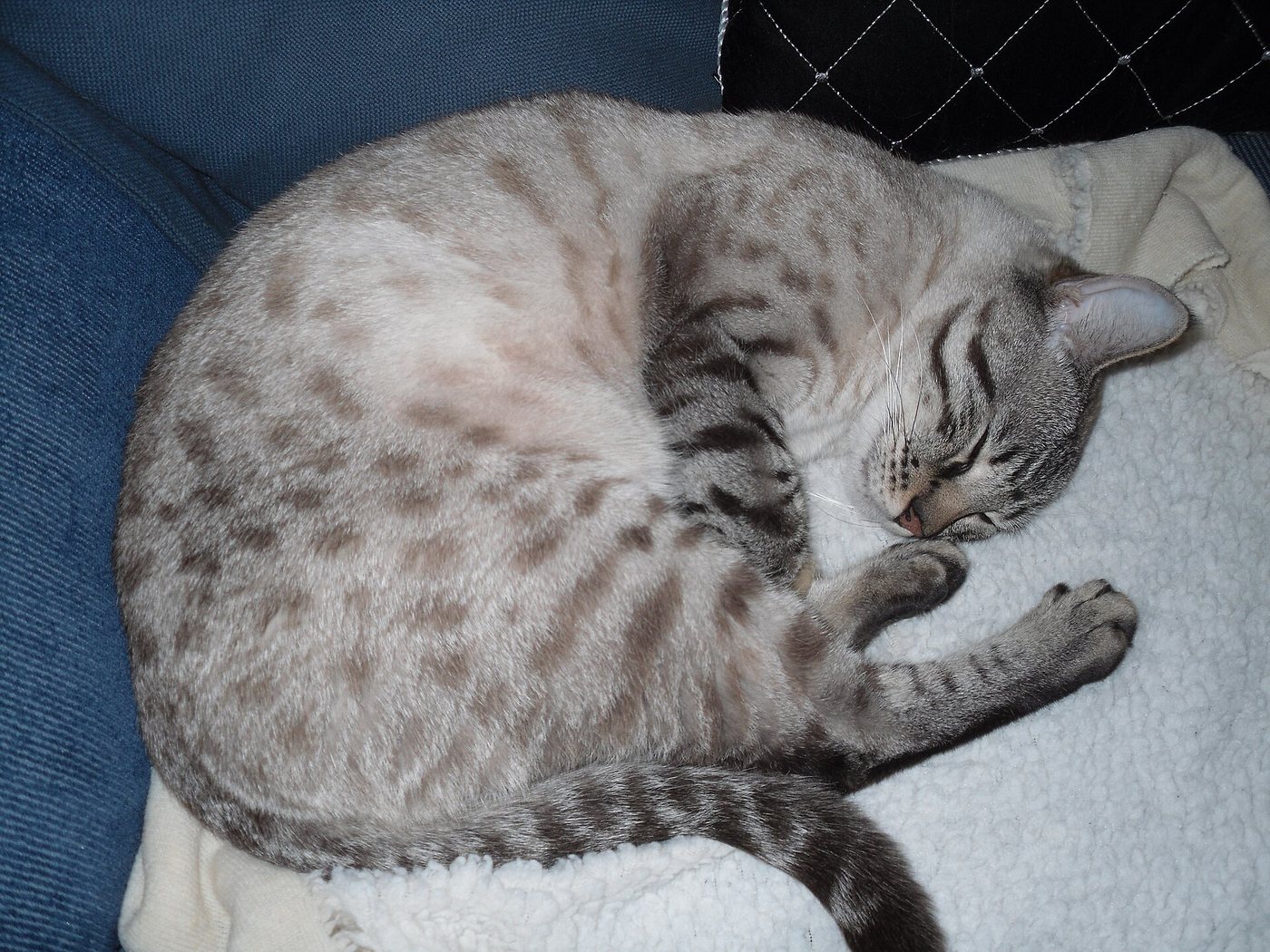
The Bengal is the most wild-looking of all domestic cats: an athletic, muscular body covered in a short, pelt-like coat patterned with rosettes or marbling, often with a 'glitter' that makes each hair sparkle in the light. Colours include brown, snow (in seal lynx, mink, and sepia shades), silver, and charcoal. The head is a broad wedge with high cheekbones, rounded ears, and large, expressive eyes that give the breed its leopard-like stare.
Care & daily life
Bengals are high-energy athletes, not lap ornaments. Plan on daily interactive play sessions, tall cat trees, shelves and climbing routes, and puzzle feeders — a bored Bengal will invent entertainment you may not enjoy. Many love water and will join you at the tap or in the shower. The short coat needs only a weekly brush. A harness-trained Bengal makes a willing walking partner, and many owners install a cat exercise wheel.
Health & lifespan
The Bengal is generally known for the following health watch-points:
- Hypertrophic cardiomyopathy (HCM) — heart screening by ultrasound is recommended for breeding cats
- Progressive retinal atrophy (PRA-b) — an inherited blindness; a DNA test exists and responsible breeders use it
- Pyruvate kinase deficiency occurs in some lines (DNA-testable)
- Tritrichomonas foetus, a stubborn intestinal parasite, is reported more often in Bengals than in most breeds
- Patellar luxation and a sensitivity to certain anaesthetics are also noted in the breed
Living with a Bengal
Bengals suit experienced, active households that want a cat involved in everything — play, walks, and conversation included. They need vertical territory, daily play, and company; homes where everyone is out all day rarely suit them. They do well with cat-savvy dogs and older children, and many thrive as harness-trained walking companions.
History
The Bengal was created by crossing the small Asian leopard cat with domestic cats. American breeder Jean Mill began the program in the 1960s and, working with geneticists and other breeders in the 1970s and 80s, produced the first generations that combined the leopard look with a fully domestic temperament. The International Cat Association (TICA) recognised the breed in the 1980s and granted it championship status in 1991; the CFA began registering Bengals in its Miscellaneous class in 2018. Today's pet Bengals are many generations removed from their wild ancestor.