Overview
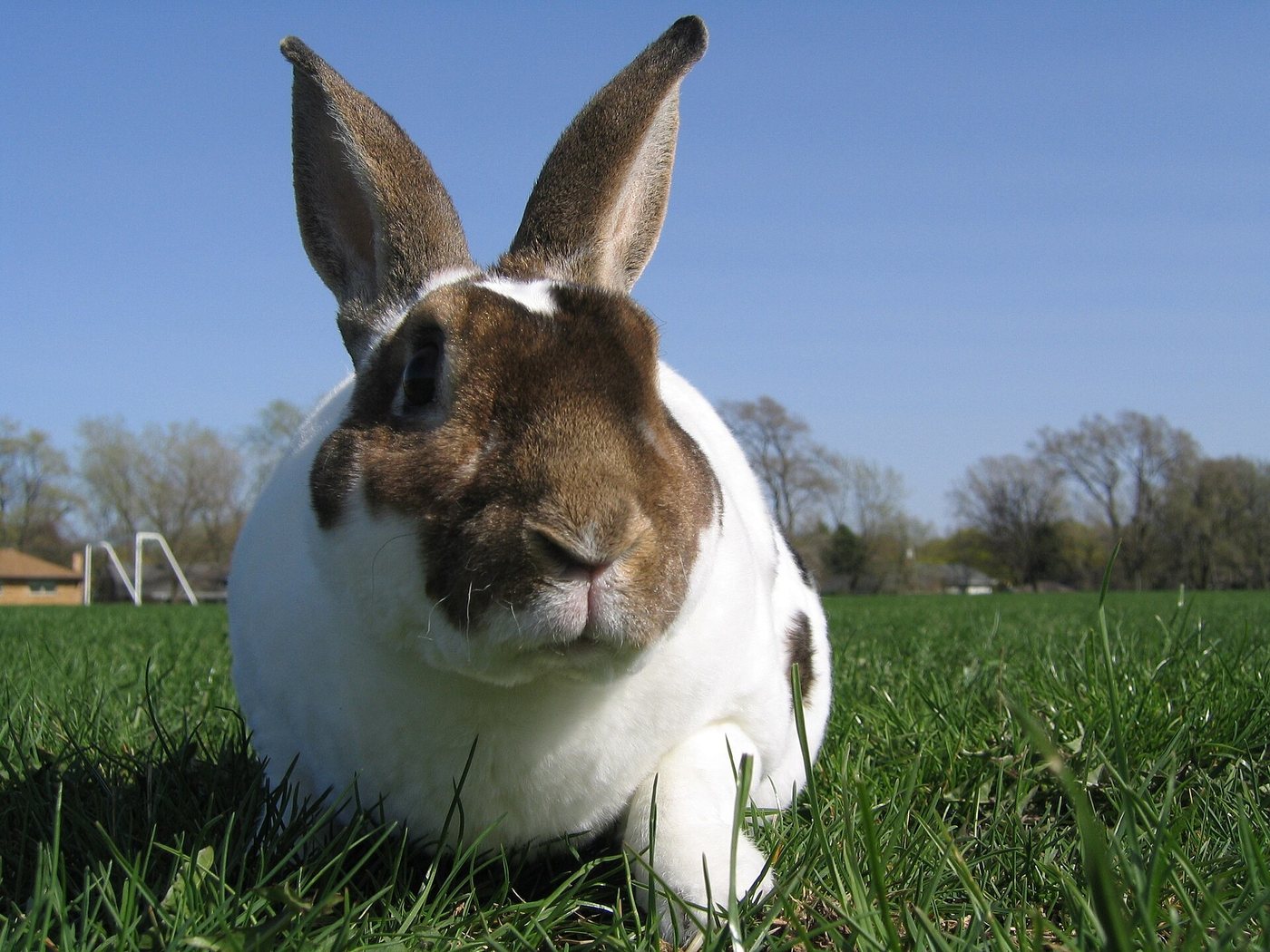
The Rex is the rabbit you have to touch to believe: a spontaneous French mutation produced a coat with no guard-hair length at all, standing dense and plush like velvet — and a century later it remains the most tactile animal in the rabbit fancy. Beneath the famous fur is a substantial, intelligent, notably good-natured rabbit, long prized as both a show animal and one of the most personable pet breeds.
Temperament & personality
Rex are calm, bright, and engaging — playful without being frantic, friendly without being clingy, and quick learners at the litter box and the treat routine. Owners regularly call them the dogs of the rabbit world. Does have a famous maternal streak, and Rex of both sexes tend to be steady in temperament, which is why the breed is so often recommended to families graduating from a first rabbit to a second, bigger personality.
Appearance
The Rex is defined by its coat: short, dense, and astonishingly plush — the guard hairs are the same length as the undercoat, so the fur stands upright and feels like crushed velvet in every direction. Underneath is a medium, well-rounded body with upright ears. Colours span the fancy: castor (the rich original red-brown), black, chocolate, opal, lynx, chinchilla, white, and broken patterns.
Care & daily life
Rex rabbits need standard rabbit care with two coat-specific twists: their fine, short fur offers less protection, so provide soft resting surfaces (bare wire or hard floors can give Rex sore hocks) and never over-brush — the delicate coat can be damaged by vigorous grooming; a damp hand or soft brush weekly is plenty. Diet is the rabbit universal: unlimited grass hay, measured pellets, daily greens. Rex are active, intelligent rabbits that need real space and toys to stay out of trouble.
Health & lifespan
The Rex is generally known for the following health watch-points:
- Sore hocks (ulcerative pododermatitis) — the breed's signature issue: the thin foot fur gives little padding, so soft flooring and weight control matter
- Dental disease and molar spurs, as in all domestic rabbits
- GI stasis — stop-eating rabbits need a vet the same day
- Uterine cancer in unspayed does
- Flystrike in warm weather, especially outdoors
- Coat can thin or 'blow' if over-groomed or stressed — the velvet is delicate
Living with a Rex
Rex suit families and individuals who want an interactive, intelligent rabbit with a calmer disposition than the dwarf breeds — and who will provide the space a 10-pound athlete needs. They make excellent house rabbits and bond well in neutered pairs. Plan on 7–10 years of hay, space, and soft floors, with weekly hock and coat checks as the breed-specific ritual.
History
The Rex mutation appeared in France in 1919 in the litter of a grey wild-type rabbit kept by a farmer in Louché-Pringé; a local priest and breeders recognised the extraordinary coat and developed it deliberately. Rex rabbits caused a sensation at the Paris International Rabbit Show of 1924, and the 'king of rabbits' (rex is Latin for king) spread worldwide, founding a fur industry and a beloved pet breed. The same rex gene later produced Rex cats and other velvet-coated animals.