Overview
The British Longhair takes everything people love about the British Shorthair — the teddy-bear build, the calm dignity, the quiet loyalty — and wraps it in a deep, plush, semi-long coat with a splendid ruff. It is a cat for people who want presence without pressure: solid, good-natured, rarely noisy, and affectionate in a measured, beside-you rather than on-you way. The price of all that plush is grooming and a watchful eye on the waistline; the reward is one of the most restful companions in the cat world.
Temperament & personality
Calm, dignified, and quietly devoted. British Longhairs form strong bonds but express them politely — following from room to room, settling nearby, greeting with a soft chirp rather than a shout. They play in measured bursts, tolerate household life with great steadiness, and are slow to take offence. Not lap cats in the clingy sense, they are nevertheless deeply companionable: the cat equivalent of a comfortable armchair that loves you.
Appearance
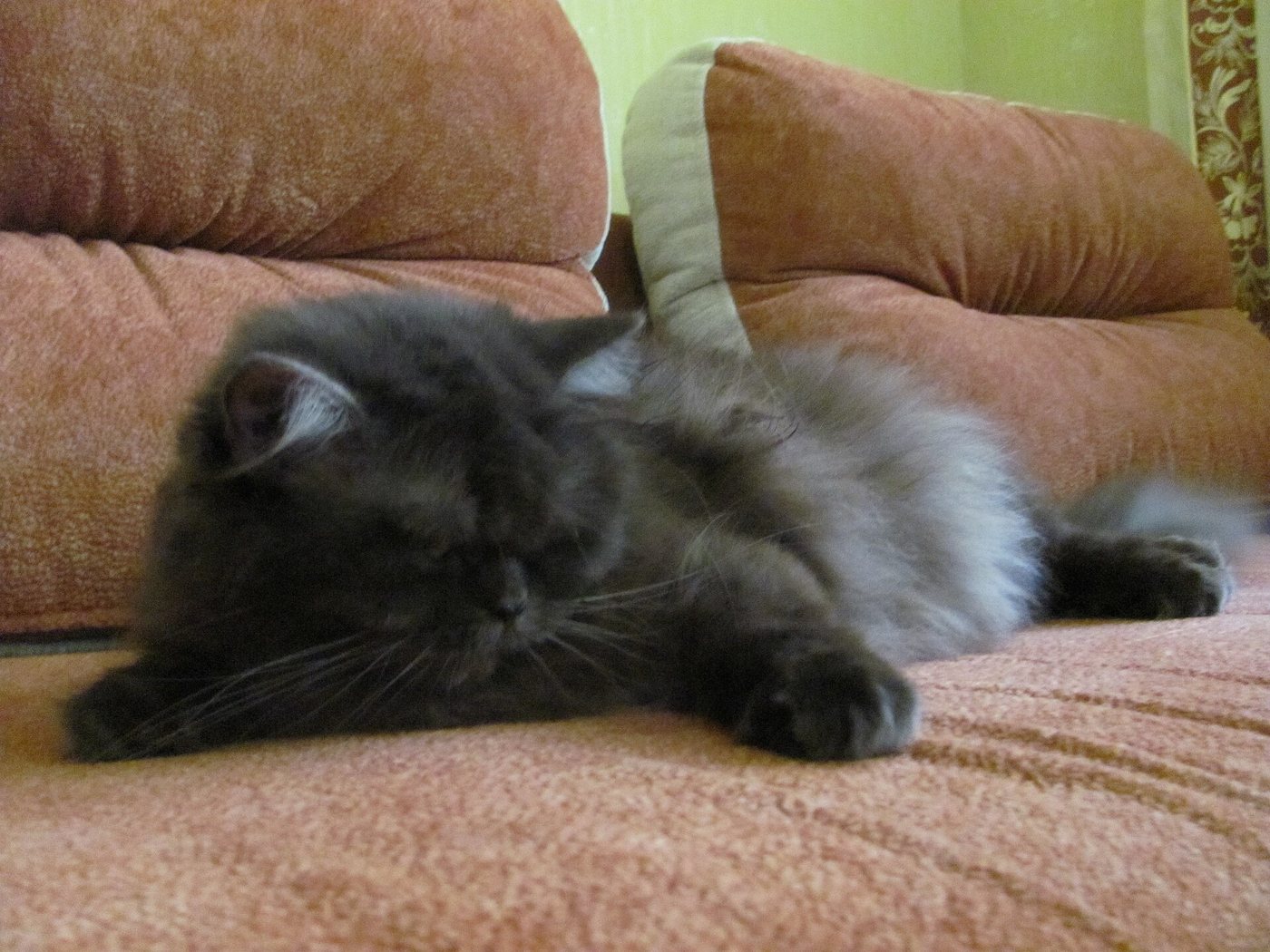
The British Longhair is the British Shorthair plus volume: a solid, cobby, round-everything cat — round head with full cheeks, large round eyes (classically copper or gold, varying with coat colour), short strong legs — wearing a semi-long, dense, plush coat that forms a ruff around the neck, breeches on the hindquarters, and a full, bushy tail. Blue remains the iconic colour, but the breed comes in the full British palette of solids, tabbies, tortoiseshells, colourpoints, and bicolours.
Care & daily life
Coat work is the job here: brush three or four times a week, and daily during the heavy seasonal moults, working gently through the ruff, armpits, and britches where mats form. This breed gains weight readily on its solid frame, so measure food and encourage daily play despite its dignified pace. Otherwise care is uncomplicated — routine dental checks, because a big round head comes with a full mouth of teeth, and ordinary preventive vet care.
Health & lifespan
The British Longhair is generally known for the following health watch-points:
- Polycystic kidney disease (PKD) — the Persian crosses that restored the British breeds also introduced PKD; a DNA test exists and responsible breeders screen all breeding stock
- Hypertrophic cardiomyopathy (HCM) occurs in British lines; good breeders scan breeding cats' hearts by ultrasound
- Obesity is the breed's most common real-world problem, with diabetes and joint strain following from it — portion control is health care
- Haemophilia B has been documented in British Shorthair lines; a DNA test is available and relevant breeders use it
- Dental disease is common, as in most cats, and worth preventive attention
Living with a British Longhair
British Longhairs suit calm households, including people who work standard hours — they are self-contained cats who nap contentedly and reserve their sociability for the evening. They are tolerant of children who respect their dislike of being hauled around, get along with other pets, and are natural indoor cats. Choose this breed for its steadiness and plush good looks, and budget your effort into coat care and weight control rather than entertainment.
History
The longhair gene entered the British Shorthair honestly: after both World Wars devastated the breed's numbers, British breeders rebuilt their stock with outcrosses that included Persians, and Persians carry long hair as a recessive. For decades, the longhaired kittens that surfaced in Shorthair litters were simply placed as pets. Fanciers who admired them began developing them deliberately in the 2000s — the variety was briefly known as the 'Lowlander' in some countries — and TICA granted the British Longhair full championship status in 2009. The GCCF recognises it within its British section; CFA, which helped create the parent breed's fame, still registers only the Shorthair.