Overview
The LaPerm is the easygoing Rex: a naturally curly coat that emerged by chance on an Oregon farm, wrapped around one of the most affectionate, adaptable temperaments in the pedigree cat world. They shed little, groom easily, ride on shoulders, pat your face with soft paws, and fit into almost any household. If you like the idea of a curly cat but dread special care, the LaPerm is the low-maintenance way to get one.
Temperament & personality
Warm, playful, and famously affectionate. LaPerms love laps and faces — they reach up with both paws to pat cheeks, ride on shoulders, and drape themselves around necks. They are active and clever without being frantic, love interactive toys and games of fetch, and are gentle and patient with children and other animals. Unlike some companion breeds they are not clingy or anxious; they are simply, cheerfully sociable, and content as long as they are included.
Appearance
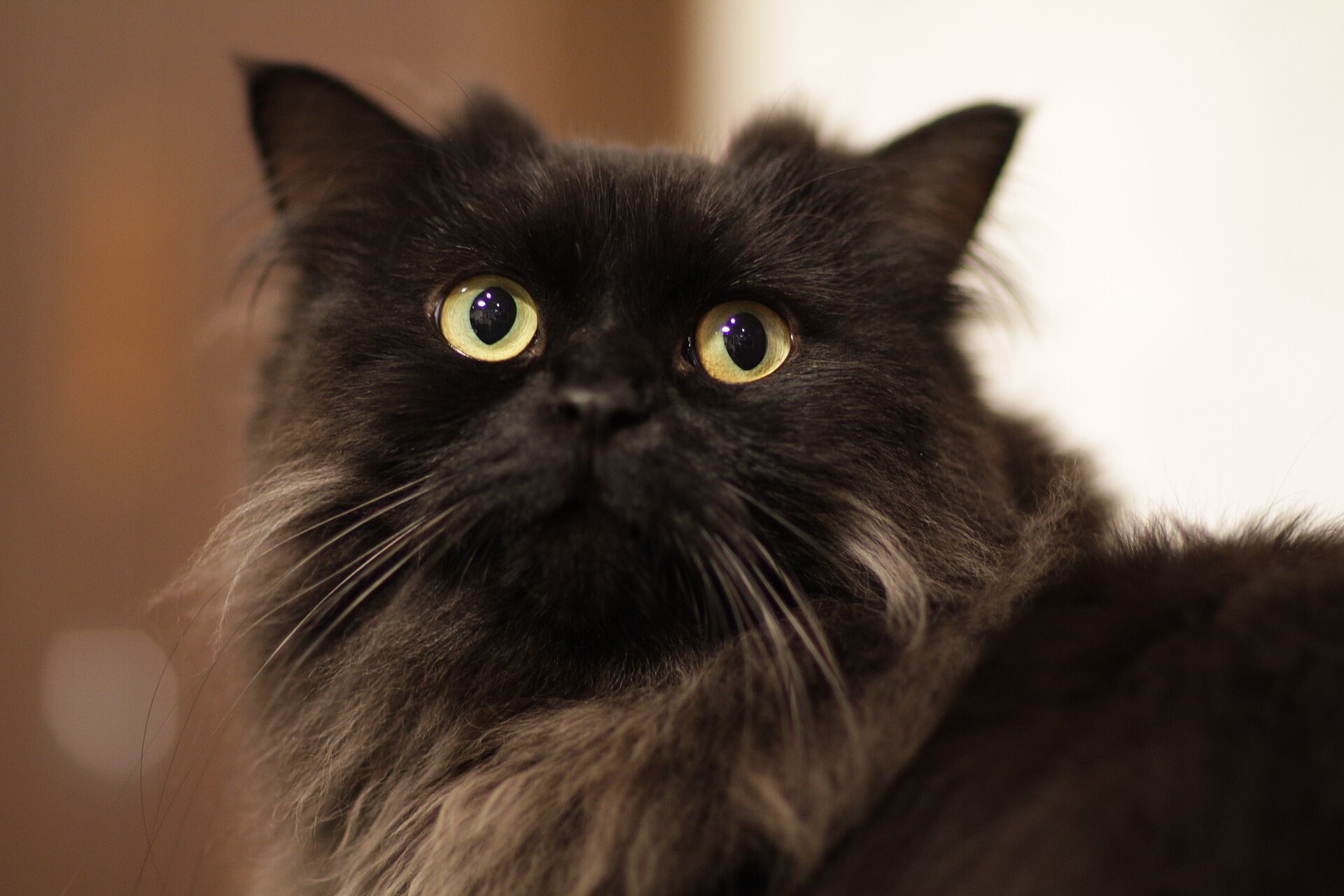
The LaPerm looks like it has just had a gentle perm: a coat of loose waves, ringlets, or corkscrew curls that stands away from the body in a soft, tousled halo, longest in the ruff and the plumed, bottle-brush tail. All coat lengths and every colour and pattern occur, and the whiskers and ear furnishings curl too. The head is a modified wedge with large, expressive almond eyes and wide-set ears. The coat is deceptive — it looks high-maintenance but has a light, airy texture with little of the dense undercoat of the other Rex breeds.
Care & daily life
The curly coat is famously easy. Do not brush it hard — that pulls out the curl; a gentle comb through when needed, or a light mist and scrunch after a rare bath, keeps ringlets springy. LaPerms shed noticeably less than most breeds, so grooming is more about checking ears and keeping the coat clean than removing hair. They are busy, capable cats who need climbing, hunting-style play, and plenty of contact with their people. Kittens often go through a balding 'ugly duckling' phase before the adult curls settle — this is normal for the breed.
Health & lifespan
The LaPerm is generally known for the following health watch-points:
- No breed-specific inherited diseases are established in the LaPerm — the breed descends from a broad, outcrossed farm-cat population and remains notably robust
- As with all cats, dental disease and weight management are the everyday concerns
- Loose, minimal undercoat means less protection from cold and sun — keep LaPerms as indoor cats
- Skin and ears should be checked as you would for any Rex-type coat, though LaPerm skin is generally unproblematic
Living with a LaPerm
LaPerms are farm cats at heart: adaptable, unflappable, and happy wherever their people are. They suit families, multi-pet homes, and first-time owners equally, and their easy coat and robust health make ownership simple. They do ask for company and involvement — a LaPerm will want to be on you, near you, or helping you — so they are best in homes where someone is around for a good part of the day.
History
The LaPerm began by accident in 1982 on Linda and Richard Koehl's cherry farm near The Dalles, Oregon, when a bald kitten appeared in a litter of barn cats and grew up to have a soft, curly coat. Named Curly by the family, she and her descendants — the curl gene is a dominant mutation, different from the Devon and Cornish Rex genes — founded the breed over the following decade, with the Koehls developing it deliberately from 1992 under a breeding programme built on outcrosses to ordinary domestic cats. The name combines 'the' (from the Chinook article 'la') with 'perm,' for the coat. TICA recognised the LaPerm in the 1990s, with CFA recognition following later. Because the gene pool was built from many unrelated farm cats, the breed is unusually genetically diverse.