Overview
The Persian is the cat fancy's original glamour breed — a sweet, placid cat wrapped in more fur than seems physically possible. For over a century it has been among the most popular breeds on earth, loved for its gentle, undemanding temperament and its doll-like face. The honest trade-off comes in the grooming diary and the health file: a Persian is a commitment measured in daily combing and careful breeder selection, repaid with one of the sweetest companions in the animal kingdom.
Temperament & personality
Serene, sweet-natured, and famously undemanding. Persians choose a favourite chair, a favourite person, and a routine, and then keep all three for life. They are playful in short, dignified bursts, affectionate without being clingy, and communicate in soft glances and rare, melodious meows. Chaos, noise, and rough handling genuinely distress them; peace and predictability are their love language.
Appearance
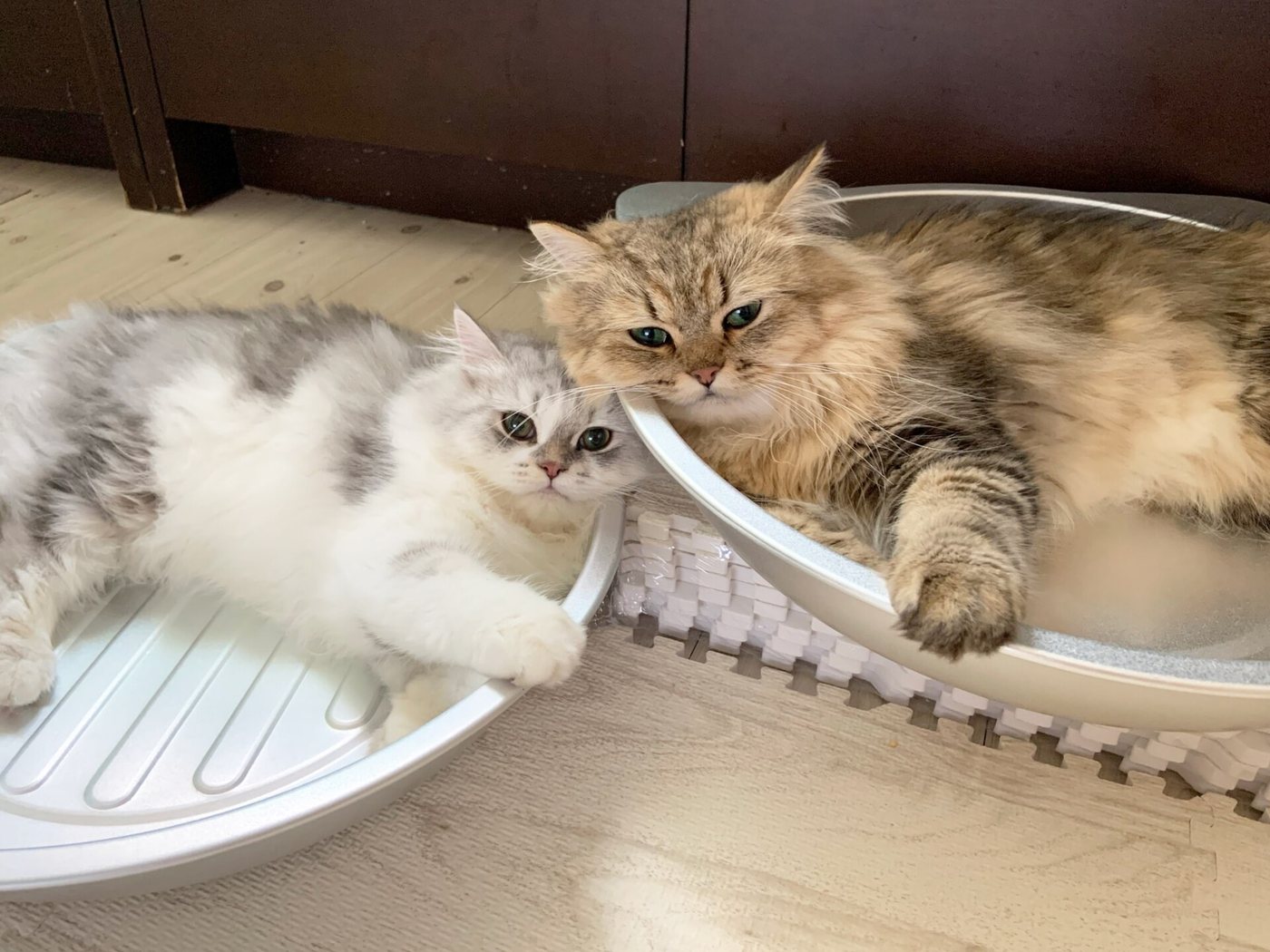
The Persian is the most glamorous of cats: a cobby, heavy-boned body under a long, flowing, silky coat, a round head with a short 'peke' face, huge round eyes, and small ears lost in fur. Traditional ('doll-face') Persians have a longer muzzle; show Persians have the extreme flat face. Colours cover the entire feline palette — solids, silver and golden shaded, tabbies, bicolours, and the pointed Himalayan pattern.
Care & daily life
This is the highest-maintenance coat in the cat world: comb to the skin daily to prevent painful mats, bathe regularly, and clean the face and eyes daily — Persians tear-stain and their facial folds trap moisture. Flat-faced cats must live in air-conditioned comfort in hot weather and should never fly in cargo. Persians themselves ask for little else: a calm home, a soft bed, and a predictable routine.
Health & lifespan
The Persian is generally known for the following health watch-points:
- Polycystic kidney disease (PKD) — historically the breed's biggest killer; a DNA test exists and responsible breeders have driven rates down dramatically — insist on PKD-negative parents
- Brachycephalic problems in flat-faced cats: narrowed nostrils and airways, breathing difficulty in heat and stress
- Tear-duct overflow, eye ulcers, and entropion are common with the extreme face
- Dental malocclusion — shortened jaws crowd the teeth, so dental care matters
- Progressive retinal atrophy (an early-onset form is DNA-testable), hypertrophic cardiomyopathy, and skin/coat infections including ringworm susceptibility are also recorded
Living with a Persian
Persians suit calm, orderly homes: quieter families, seniors, and apartment dwellers who genuinely enjoy grooming as a daily ritual. They are poor matches for boisterous households, hot climates without air conditioning, or anyone wanting a low-maintenance cat. In the right home they are serene, decorative, devoted companions.
History
Longhaired cats from Persia and Turkey reached Europe in the 1600s and were prized curiosities for two centuries. The modern Persian was shaped in Victorian Britain — a Persian-type cat was shown at the first Crystal Palace cat show in 1871, and Queen Victoria kept blue Persians — then refined further in the United States, where the extreme show face was developed in the mid-1900s. The pointed Himalayan pattern was added through Siamese crosses. The Persian (including its shorthaired sister breed, the Exotic) has ranked at or near the top of CFA registrations for decades.