Overview
The Cochin is poultry's gentle monument: one of the largest breeds, wrapped in so much soft feather that it appears to roll rather than walk. Imported from Shanghai in the 1840s, Cochins (with their cousins the Brahmas) triggered 'hen fever', the Victorian craze that created modern poultry breeding. Today they are kept as ornaments, pets, and — their great practical gift — broody hens and mothers of the first rank, alongside Silkies.
Temperament & personality
Profoundly peaceful. Cochins are slow, trusting, and profoundly unbothered; hens coo quietly, allow handling from anyone, and apply themselves to motherhood like a vocation. They are poor foragers (too much dignity, too little speed) and sit low in mixed-flock politics, so keep them with gentle company.
Appearance
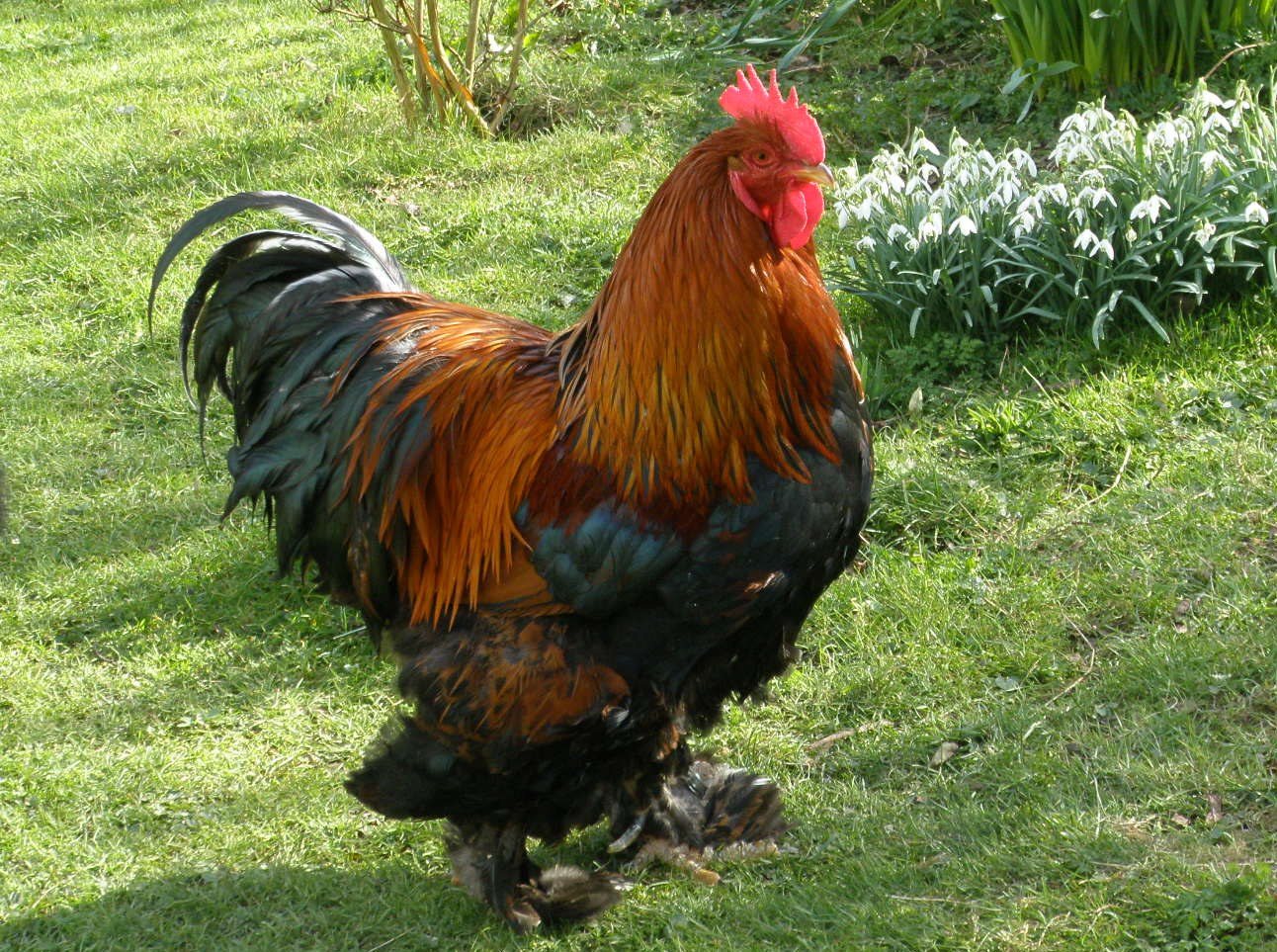
A mountain of feathers: Cochins are among the largest chickens, and their extraordinarily profuse, soft plumage — including fully feathered legs and feet and a cushion of feathers over the tail — makes them look like walking pompoms. The head is small, the comb single and modest, the body so round and low that hens seem to glide rather than walk. Colours include Buff, Black, White, Partridge, and Blue.
Care & daily life
Keep them dry: feathered feet suffer in mud, turning to mud-balls and frostbite risk in freezing weather, so a covered, well-drained run matters more for Cochins than for any other common breed. Check feet regularly and trim overgrown foot feathering if it impedes walking. Low roosts suit their weight and poor flying. Because they are champion sitters, provide fertile eggs or break broodiness kindly and promptly. Feed standard rations; watch condition under the feathers with your hands, since the eye cannot judge a Cochin's weight.
Health & lifespan
The Cochin is generally known for the following health watch-points:
- Muddy, matted foot feathering leading to bumblefoot and frostbite — their signature management risk
- Mites and lice in the immense plumage, especially around the vent and legs
- Heat stress on hot days; big, insulated birds overheat quietly
- Heart and joint strain in the heaviest exhibition lines
- Marek's disease — vaccinate chicks
Living with a Cochin
Cochins suit families and keepers who prize temperament and spectacle over egg counts, and anyone needing a reliable broody hen. They ask for dry ground, low roosts, and protection from hot sun. Lifespan is 8–10 years for these slow-paced giants. Avoid them on wet, muddy sites, and don't expect a full egg basket.
History
Cochins arrived from Shanghai in the early 1840s — gifts of huge, feather-legged fowl reportedly presented to Queen Victoria in 1842 — and ignited 'hen fever', a transatlantic mania in which exhibition poultry fetched absurd prices and everyone from farmers to presidents (Zachary Taylor kept them at the White House) caught the bug. The bubble burst by the late 1850s, but Cochins permanently changed poultry breeding, and their blood runs in many American dual-purpose breeds.