Overview
The Wyandotte is the cold-climate answer to the dual-purpose question. Bred in upstate New York in the 1870s, it pairs a compact, densely feathered body with a flat rose comb that frost cannot easily damage — and then, almost incidentally, dresses the whole bird in some of the most beautiful laced plumage in poultry. It lays a steady 180–240 brown eggs a year, mothers well, and carries itself with unflappable confidence.
Temperament & personality
Calm, self-possessed, and quietly in charge. Wyandottes are not lap-seekers like Orpingtons; they are more like competent farm managers — friendly on their own terms, first-rate foragers, and fair but firm in the pecking order. A flock of them has a noticeably orderly feel.
Appearance
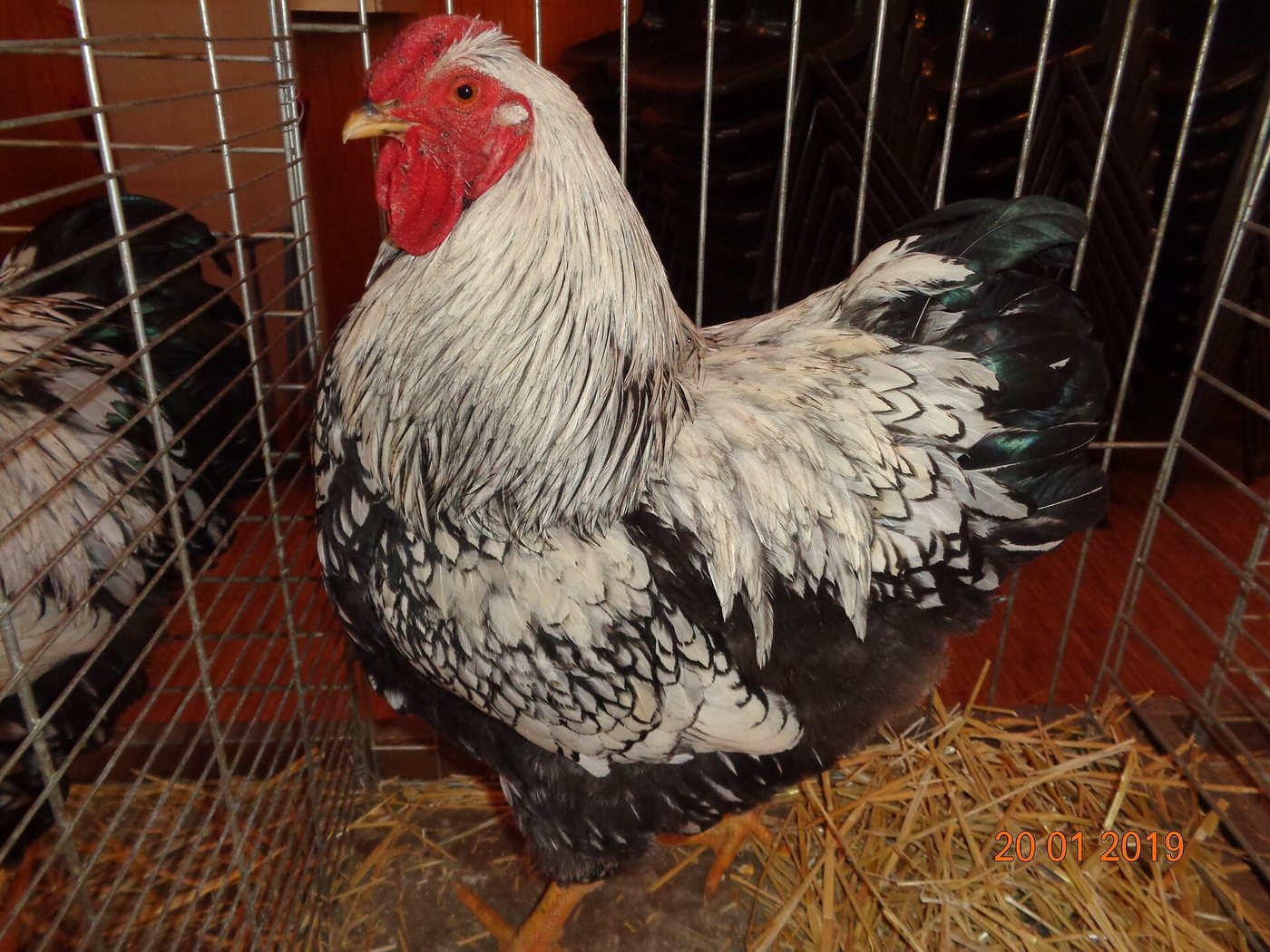
A curvy, compact bird with a broad body, deep breast, and a distinctive rose comb — flat, low, and covered in small points — sitting like a cap on the head. The original Silver Laced variety is a work of art: each white feather edged in black lace. Gold Laced, Blue Laced Red, Columbian, and Partridge varieties followed. Yellow legs, red earlobes, and a short, wide back complete a bird built for northern winters.
Care & daily life
Low-maintenance in cold country: the rose comb shrugs off frosts that damage single combs, and dense feathering over a compact body conserves heat. Standard feed, grit, and water; they forage willingly but are content in a run. One husbandry note: Wyandottes can be particular about flock politics — introduce new birds gradually. Fertility in heavily bred rose-comb lines can be lower, a quirk breeders manage; for the pet keeper it rarely matters.
Health & lifespan
The Wyandotte is generally known for the following health watch-points:
- Frostbite is rare thanks to the rose comb — the breed's design advantage
- Marek's disease and standard external parasites
- Occasional fertility issues in intensely bred rose-comb lines
- Obesity if confined and over-fed, as with most dual-purpose breeds
- Vent and feather pecking can appear in crowded conditions
Living with a Wyandotte
Wyandottes suit northern and cold-climate keepers first of all, plus anyone wanting a beautiful dual-purpose flock with steady, long-term laying and civil manners. In hot climates they manage with shade but are not the first choice. Expect a long working life and a total lifespan of 6–10 years.
History
Wyandottes were assembled in New York State in the 1870s from Sebright, Hamburg, Bantam, and Cochin-type stock, first shown as 'American Sebrights' and renamed for the Wyandotte (Wendat) people. The Silver Laced was admitted to the American Standard in 1883, and its laced varieties made the breed a show-ring star while its hardiness made it a northern farm favourite. A white variety later contributed genetics to commercial broiler lines.