Overview
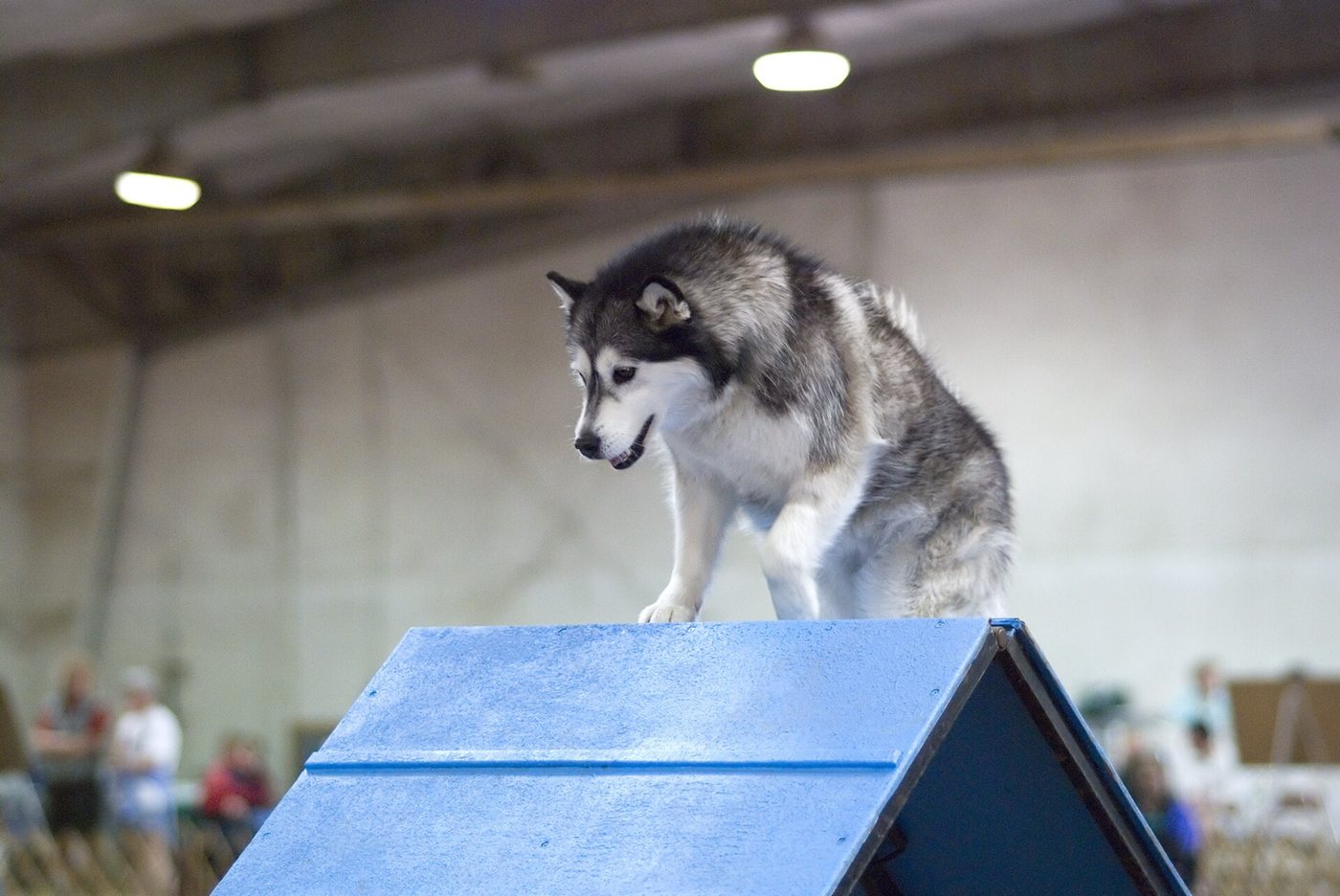
The Alaskan Malamute is the heavyweight champion of the sled-dog world: where Huskies are racing cars, Malamutes are freight trains — bred by Alaska's Mahlemut people to haul enormous loads across the Arctic, slowly and tirelessly. That heritage survives intact in a dog of immense strength, independence, and endurance, wrapped in one of the thickest coats in the canine world and paired with a playful, affectionate, deeply social temperament.
Temperament & personality
Affectionate, loyal, and playful with their families, Malamutes are pack dogs that expect to be included in everything. They are famously independent and strong-willed — a Malamute understands your command and then weighs it — and can be selective or assertive with unfamiliar dogs. They are friendly to people generally, which makes them poor guard dogs despite the imposing silhouette.
Appearance
A big, powerful freighting dog built for Arctic work: broad head with a kindly expression, erect furry ears, almond eyes in brown (blue eyes are a Husky trait, not a Malamute one), and a plumed tail carried over the back in a gentle wave. The double coat is extremely thick — a coarse outer layer over a dense, woolly undercoat up to two inches deep — in grey, black, sable, or red shades with white markings. Males are noticeably more substantial than females.
Care & daily life
Give one and a half to two hours of exercise daily — hiking, running, and ideally weight-pulling or sledding sports that honour the breed's purpose. Malamutes are serious diggers and talented escape artists, so fencing must be secure and high. The coat needs brushing once or twice a week and tolerance for the twice-yearly blizzard of a blow-out. Feed carefully; this breed evolved to thrive on little food and gains weight easily in pet life.
Health & lifespan
The Alaskan Malamute is generally known for the following health watch-points:
- Hip dysplasia — screening is essential in a heavy freighting breed
- Inherited polyneuropathy, a nerve condition specific to the breed (DNA-testable)
- Hypothyroidism occurs at moderate rates
- Day blindness (cone degeneration) and cataracts are screened for
- Bloat risk as a large, deep-chested breed; chondrodysplasia (dwarfism) is a historic breed condition now largely bred out
Living with a Alaskan Malamute
Malamutes need experienced, active owners with space, secure fencing, and a sense of humour about digging, shedding, and opinions delivered at volume (they 'woo' rather than bark). They are poor choices for first-time owners, hot climates, and tidy gardens — and glorious companions for people who want a dog as a genuine lifestyle.
History
One of the world's oldest Arctic breeds, the Malamute was developed by the Mahlemut (Mahlemiut) Inupiat people of north-western Alaska, who depended on these dogs to haul heavy loads across ice and snow and to hunt seal and polar bear. Where the Husky was bred for speed, the Malamute was bred for freight — slower, vastly stronger. The breed served in both World Wars and on Antarctic expeditions, and is the official state dog of Alaska.