Overview
The Grand Basset Griffon Vendéen is a cheerful French pack hound: a rough-coated, rough-country hunter bred to follow scent for hours through the thorny hedgerows of the Vendée. Longer in the leg than its Petit cousin, it brings a hound's nose, voice, and independence into a medium-sized, dishevelled package — along with a famously sunny temperament.
Temperament & personality
Happy, outgoing, and stubborn in the classic hound way. Grands are friendly with people and dogs, enthusiastic about everything, and led through life by their noses. Training requires patience and rewards; harsh methods simply switch them off. At home they are affectionate clowns, provided the day's exercise has genuinely happened.
Appearance
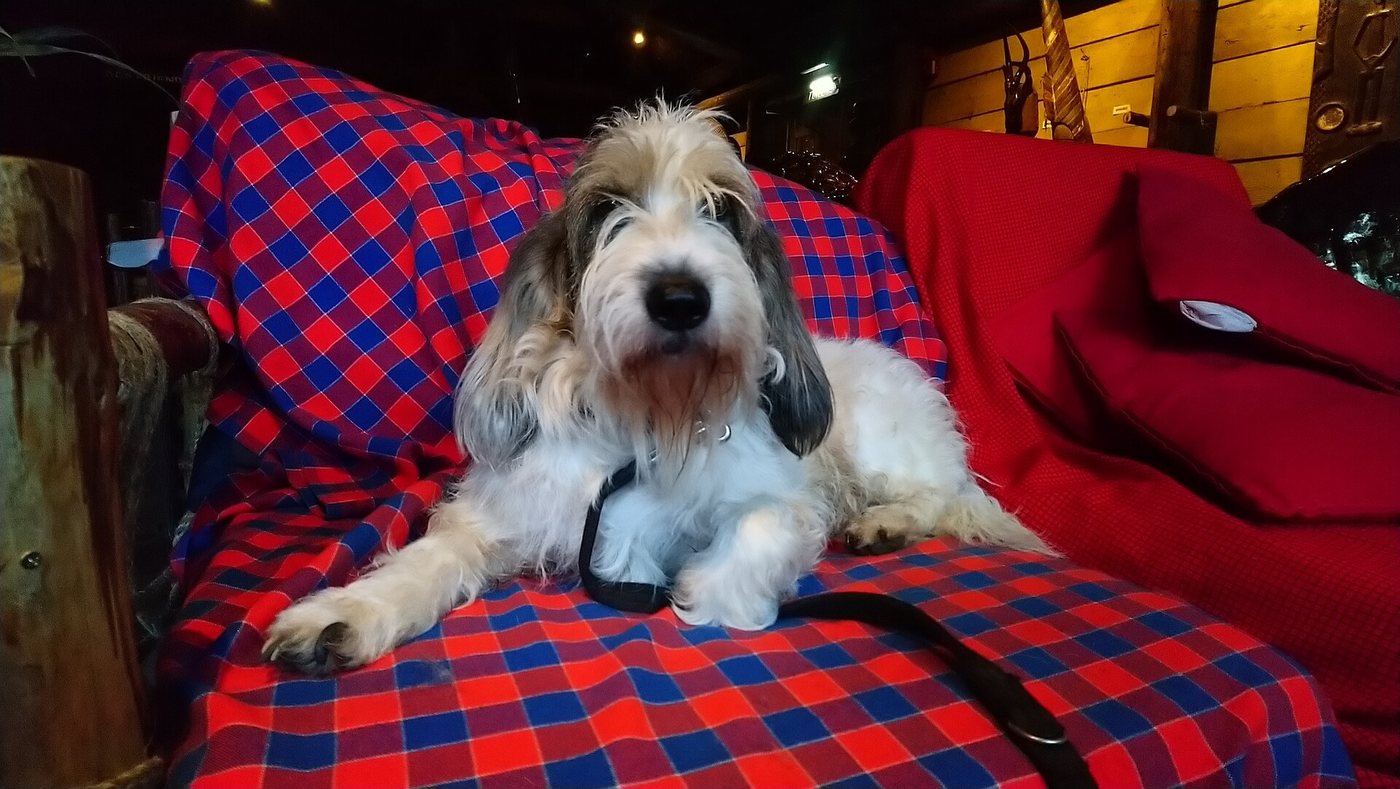
A rustic, tousled hound wearing an unkempt rough coat of wheaten, orange, or grizzle over a sturdy, rather rectangular frame. The look is deliberately unpolished: a beard, shaggy eyebrows, large drooping ears, and an expression that is all cheerful determination. The coat should look natural, never sculpted.
Care & daily life
As a pack hunting hound, the Grand needs serious daily exercise — one and a half hours or more, with as much free running in secure areas as possible, because recall around scent is unreliable. The rough coat needs a weekly comb-through to strip out dead hair and prevent felting, and the long ears need regular checks and cleaning. Expect a voice: these hounds announce their feelings.
Health & lifespan
The Grand Basset Griffon Vendéen is generally known for the following health watch-points:
- Primary open-angle glaucoma — a painful inherited eye condition; DNA testing is available and responsible breeders screen for it
- GBGV pain syndrome, a breed-associated condition causing episodes of pain and fever, usually in young dogs
- Idiopathic epilepsy occurs in the breed
- Ear infections, a standard risk in long-eared hounds
- Hypothyroidism is reported
Living with a Grand Basset Griffon Vendéen
Grands suit active rural or suburban homes with secure fencing and tolerance for hound music. They are sociable pack animals that enjoy other dogs and do not thrive on long solitude. Apartment life is possible only with major daily exercise — and neighbours who appreciate a hound voice.
History
The rough-coated hounds of France's Vendée region have hunted in packs for centuries. The Grand was developed as the larger of the two Basset Griffon sizes, capable of working hare, deer, and even wolf in rough, brambly country where a harsh coat is armour. The two sizes were long interbred, then formally separated in the 20th century; the AKC recognised the Grand Basset Griffon Vendéen in 2018.