Overview
The Plott is America's homegrown big-game hound: developed by one family in the Smoky Mountains to trail and bay bear and wild boar, it is a tenacious, cold-nosed hunter wrapped in a unique brindle coat. Unlike most coonhounds, which descend from English foxhounds, the Plott comes from German Hanoverian stock — giving it a trailing style and grit all its own.
Temperament & personality
Brave, loyal, and eager without being frantic. Plotts are affectionate family dogs that bond hard to their people, are typically steady with children, and get along with other dogs — unsurprising, given their pack-hunting heritage. They are alert and will voice an alarm. Training should be consistent and positive; this is a smart dog with an independent hunter's streak.
Appearance
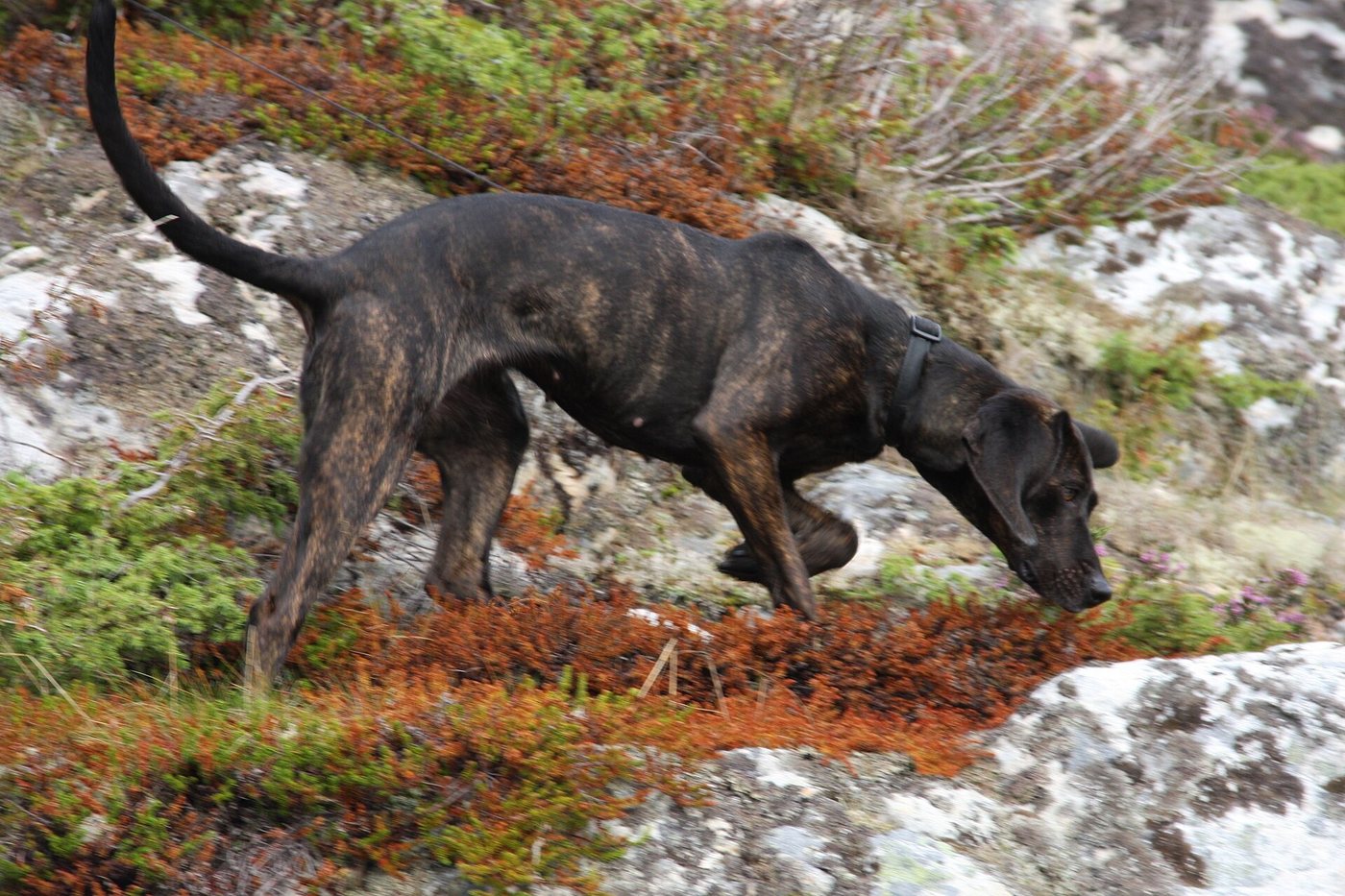
The only AKC hound with a solid brindle coat — a striking camouflage pattern of dark stripes over lighter brown, red, or grey, sometimes with white on the chest and feet. Plotts are muscular, streamlined, and built for endurance rather than bulk, with a keen expression, hanging ears, and a strong tail.
Care & daily life
This is a working hunting dog that needs one and a half to two hours of exercise and, just as importantly, scent work — tracking games and long sniffy hikes keep a Plott sane. The short coat needs only a weekly brush. Recall off-lead is unreliable around game scent; use secure areas or long lines. They are vocal hunters, which neighbours will notice.
Health & lifespan
The Plott Hound is generally known for the following health watch-points:
- Hip dysplasia
- Bloat (gastric dilatation-volvulus) — a risk in deep-chested, active breeds
- Ear infections, common in working drop-eared hounds
- Generally a hardy breed; working injuries (cuts, strains) are more typical than hereditary disease
Living with a Plott Hound
Built for rural and active suburban life: a large secure yard, daily serious exercise, and owners who enjoy the outdoors. Plotts are devoted and even-tempered at home once exercised, but their voice, energy, and prey drive make them a poor fit for dense apartment living.
History
In 1750 the German immigrant Johannes Plott brought Hanoverian Schweisshunds (blood-trailing hounds) to North Carolina. His descendants bred the dogs for bear and boar hunting in the Great Smoky Mountains for over 200 years, keeping the line remarkably closed. The result — named for the family — became North Carolina's state dog and was recognised by the AKC in 2006.