Overview
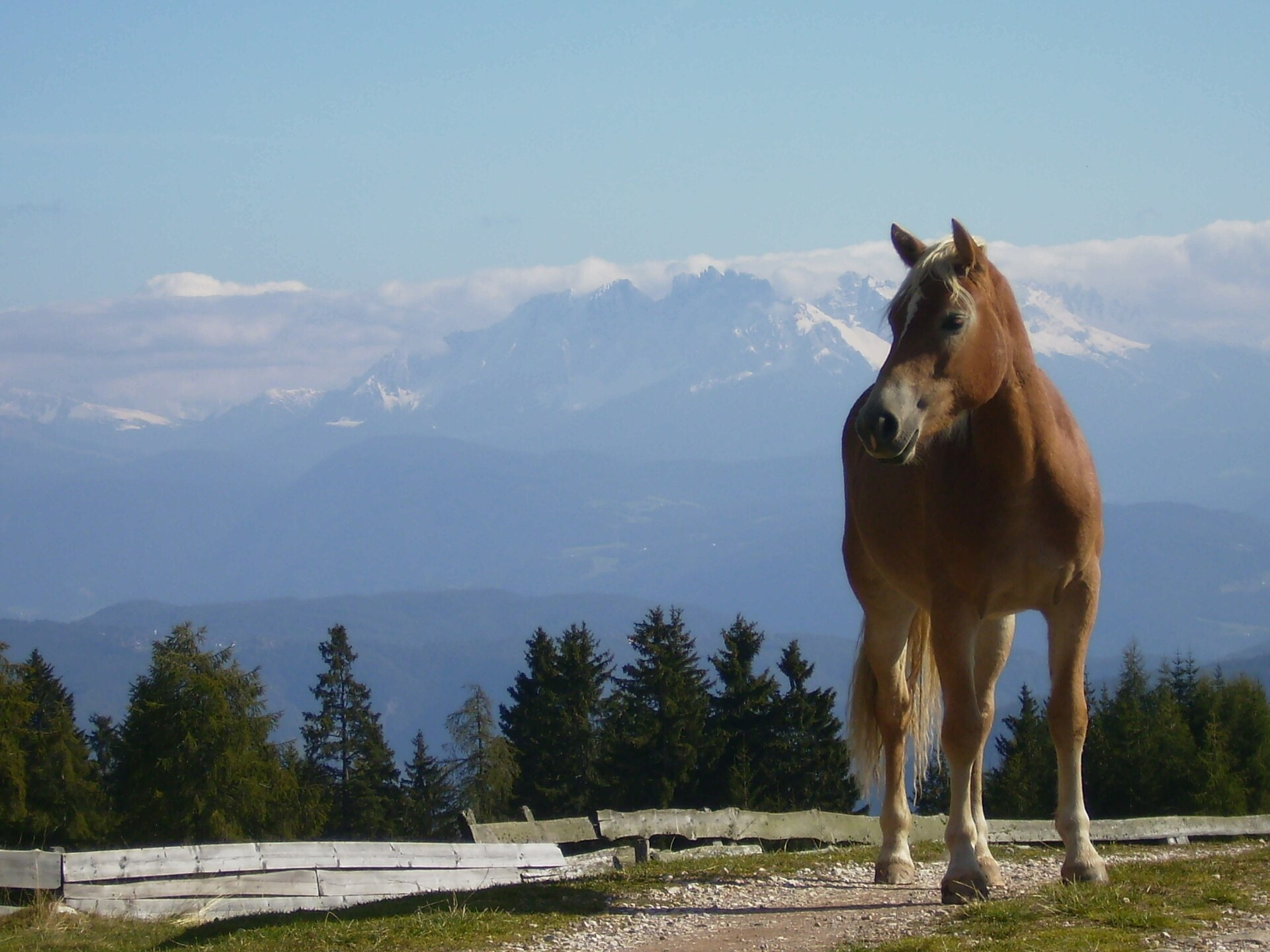
The Haflinger is the Alps in horse form: a compact, golden mountain horse developed in the high villages of the South Tyrol to do everything a small farm needed — plough, haul, carry packs and riders over mountain paths — on mountain rations. Every Haflinger is chestnut with a pale flaxen mane and tail, and every one descends from a single foundation stallion, Folie, foaled in 1874. The modern breed has refined toward an elegant sport type while keeping the mountain toughness, and today Haflingers drive, jump, perform dressage, carry therapy riders, and star in family barns worldwide.
Temperament & personality
Haflingers are sunny, willing, and famously kind — the breed's nickname might as well be 'the friendly one'. They are sensible without being dull, bold on trails, and deeply people-oriented; generations of selection by mountain farm families, where the horse lived steps from the house and was handled by everyone, produced an animal that genuinely likes humans. Owners also report a merry streak of intelligence: gates, latches, and feed rooms should be Haflinger-proofed.
Appearance
Unmistakable at a glance: a gleaming chestnut coat in shades from honey-gold to deep liver, with a mane and tail of pale flaxen that can grow to dramatic length. The modern Haflinger is refined — an expressive, slightly dished head, a well-set neck, a compact but athletic body — a deliberate contrast to its stockier working ancestors. A traditional edelweiss brand with the letter H marks Tyrolean-bred horses.
Care & daily life
Haflingers are frugal to a fault — bred on mountain scarcity, they extract maximum value from every mouthful, so feeding is an exercise in restraint: forage-based diets, restricted grazing where grass is rich, and watchfulness against obesity and laminitis. They are otherwise low-maintenance: hard feet, robust health, and coats that shrug off weather. Young Haflingers mature steadily and should be worked progressively; the breed's willingness makes it easy to ask too much, too soon, of a youngster that never says no.
Health & lifespan
The Haflinger is generally known for the following health watch-points:
- Easy-keeper metabolism is the main medical issue in the breed: obesity, equine metabolic syndrome, and laminitis on rich feeding — diet discipline is Haflinger health care
- PSSM1 (polysaccharide storage myopathy) has been documented in Haflingers at meaningful rates in genetic surveys — DNA testing is available and worth asking about, especially with any history of tying-up
- Otherwise a robust, long-lived mountain breed: sound feet, strong legs, and few inherited burdens
- The breed's eagerness can mask overwork in young horses — growth plates and joints need graduated conditioning
- Standard hardiness rules: dental care and weight checks into old age, since Haflingers routinely live past 30
Living with a Haflinger
Haflingers suit families, smallholders, and riders in hilly country who want one unflappable, economical horse for driving, schooling, and mountain trails. They are among the cheapest horses in the world to keep well — frugal appetites, hard feet, minimal vet dramas — across a lifespan that frequently exceeds thirty years. The owner's main disciplines are feed restraint and keeping that bright mind employed.
History
The breed takes its name from Hafling (Avelengo), a mountain village in the South Tyrol — then Austrian, now Italian — where medieval mountain horses, influenced over centuries by Oriental and Arabian blood, worked the alpine farms. The modern breed dates to 1874, when the half-Arabian stallion Folie was foaled; every living Haflinger traces to him through seven sire lines. Two world wars and mechanisation reshaped the breed twice over, and post-war breeding standardised it internationally. Today Austrian breeding, anchored by the famous Ebbs stud, supports a worldwide population.