Overview
The Welsh breeds are Britain's pony royalty: a single ancient mountain stock organised into four sections by size and type, from the exquisite little Section A Welsh Mountain Pony to the Section D Welsh Cob — a trotting powerhouse that carried Welsh farmers, soldiers, and tradesmen for centuries. Shaped on the harsh Welsh hills, refined with Arabian blood, and standardised from 1901, the Welsh family dominates pony showing worldwide and supplies children's ponies, driving cobs, and sport-pony sires across the globe.
Temperament & personality
Welsh ponies combine sparkle with sense: intelligent, spirited, and charismatic, with the characteristic pony gift for negotiation — a Welsh pony knows its own mind. Well-handled Welsh are generous, brave, and wonderful partners; the cobs in particular are famed for combining fire in the show ring with sense on the road. They reward fair, consistent handling and quickly educate handlers who are neither.
Appearance
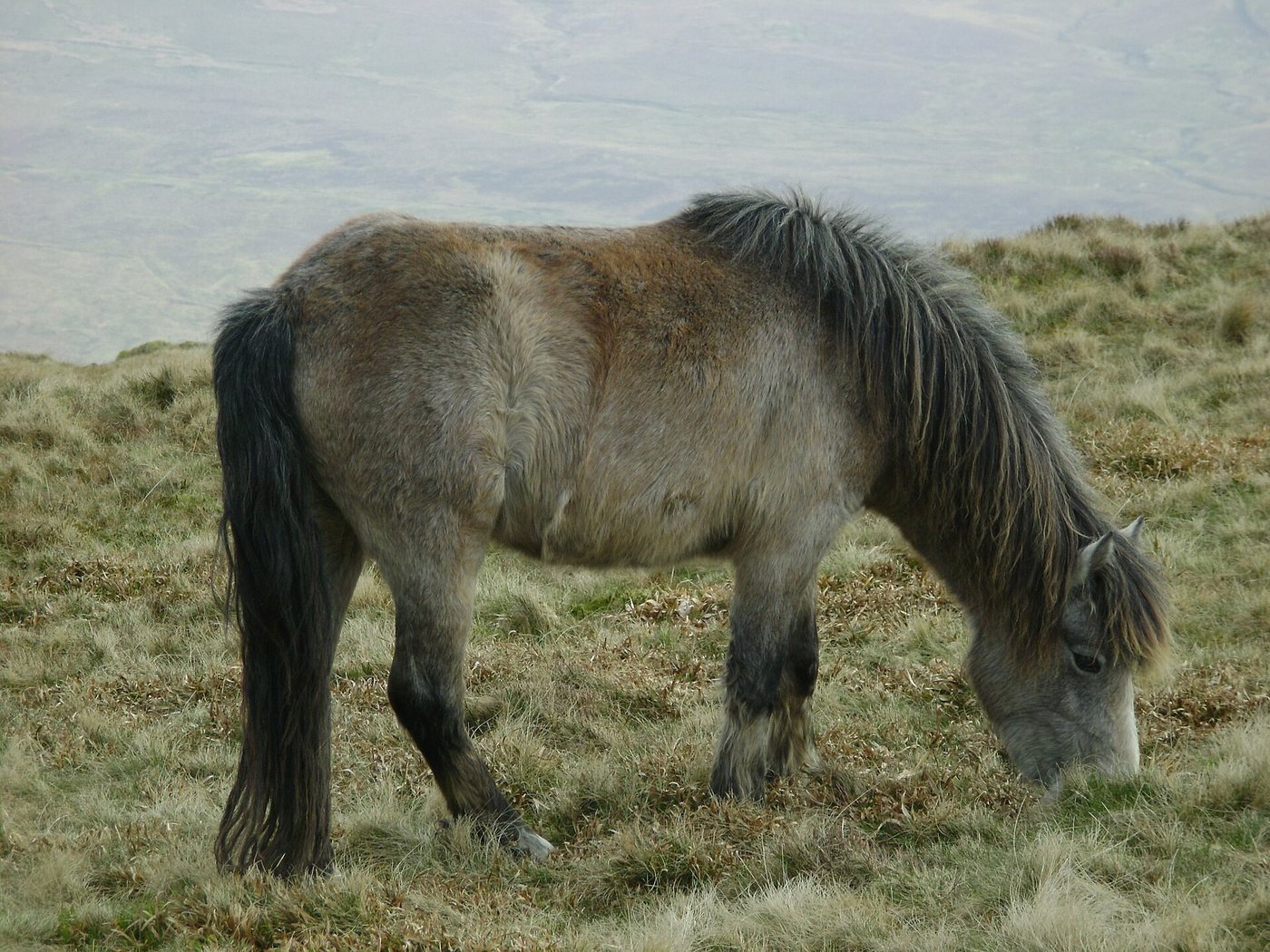
All four sections share the Welsh stamp: a small, beautiful head with a slightly dished profile, large bold eyes, and tiny pricked ears; a well-set neck flowing into strong shoulders; a deep, compact body; and hard, clean legs. The Section A is the most refined and pony-like; the Section D is the same blueprint scaled into a muscular cob with substance and bone. Movement completes the picture — a free, trotting stride with genuine lift that stops traffic.
Care & daily life
Welsh care is pony discipline: these are supreme easy keepers evolved on sparse hillsides, so the central task is restriction — limited grazing or grazing muzzles on rich pasture, forage weighed rather than guessed, and eternal vigilance against laminitis. Otherwise they are low-maintenance: hard feet, weatherproof coats, and robust constitutions. Young stock need handling and education early, because a bright, strong pony that learns its own strength before its manners is a handful at any size.
Health & lifespan
The Welsh Pony and Cob is generally known for the following health watch-points:
- Laminitis is the Welsh pony's defining health risk — an easy-keeping mountain metabolism meeting rich pasture. Grazing management, weight control, and early recognition are the entire game
- Equine metabolic syndrome and obesity follow the same pathway; Sections C and D kept as 'good doers' need the same discipline as the little sections
- Otherwise a notably hardy, sound family of breeds with no single dominant inherited disease
- Grey Welsh ponies share the grey-horse melanoma predisposition and should be checked as they age
- Foals and youngstock benefit from balanced, not rich, feeding — overfeeding growing ponies invites developmental orthopedic disease
Living with a Welsh Pony and Cob
Welsh ponies suit families seeking a child's pony with show-ring quality, adults who drive or ride cobs, and smallholders who want beauty that earns its keep. Costs are pony-modest — small appetites (watch them), hard feet, few dramas — across lifespans that regularly pass thirty years. The owner's covenant is laminitis vigilance: manage the grass, and a Welsh pony will repay you for decades.
History
Ponies of recognisably Welsh type have lived on the Welsh hills since before the Romans — tradition holds that Julius Caesar admired them — surviving as a semi-feral mountain population worked by hill farmers. Infusions of Arabian blood in the 18th and 19th centuries added the breed's beauty and fire, and Hackney and light Thoroughbred blood touched some lines. The Welsh Pony and Cob Society, founded in 1901, fixed the four-section system. Section A ponies once worked Welsh coal pits; Section D cobs were the farmer's ride-and-drive horse, trotted to market and prized by the military. The Welsh remains among the world's most influential pony breeds.