Overview
The Dutch is the rabbit that defined 'pet rabbit': the neat, paint-patterned little animal of storybooks, breed posters, and British Rail-era advertising, wearing its white blaze and coloured saddle like a uniform. Beneath the markings is an equally classic temperament — calm, steady, and notably tolerant — which is why this breed, developed in Victorian England from Dutch stock, became the default family rabbit for over a century and remains one of rabbit-keeping's safest recommendations.
Temperament & personality
Even-tempered is the Dutch signature. They are friendly without fragility, playful without the dwarf breeds' occasional sharpness, and steady enough to be the breed recommended for supervised children. Individuals still have opinions — a Dutch will thump its verdict on a rearranged room — but outright grumpiness is rare, and neutered animals settle into affectionate, litter-trained house companions that greet their people at the pen gate.
Appearance
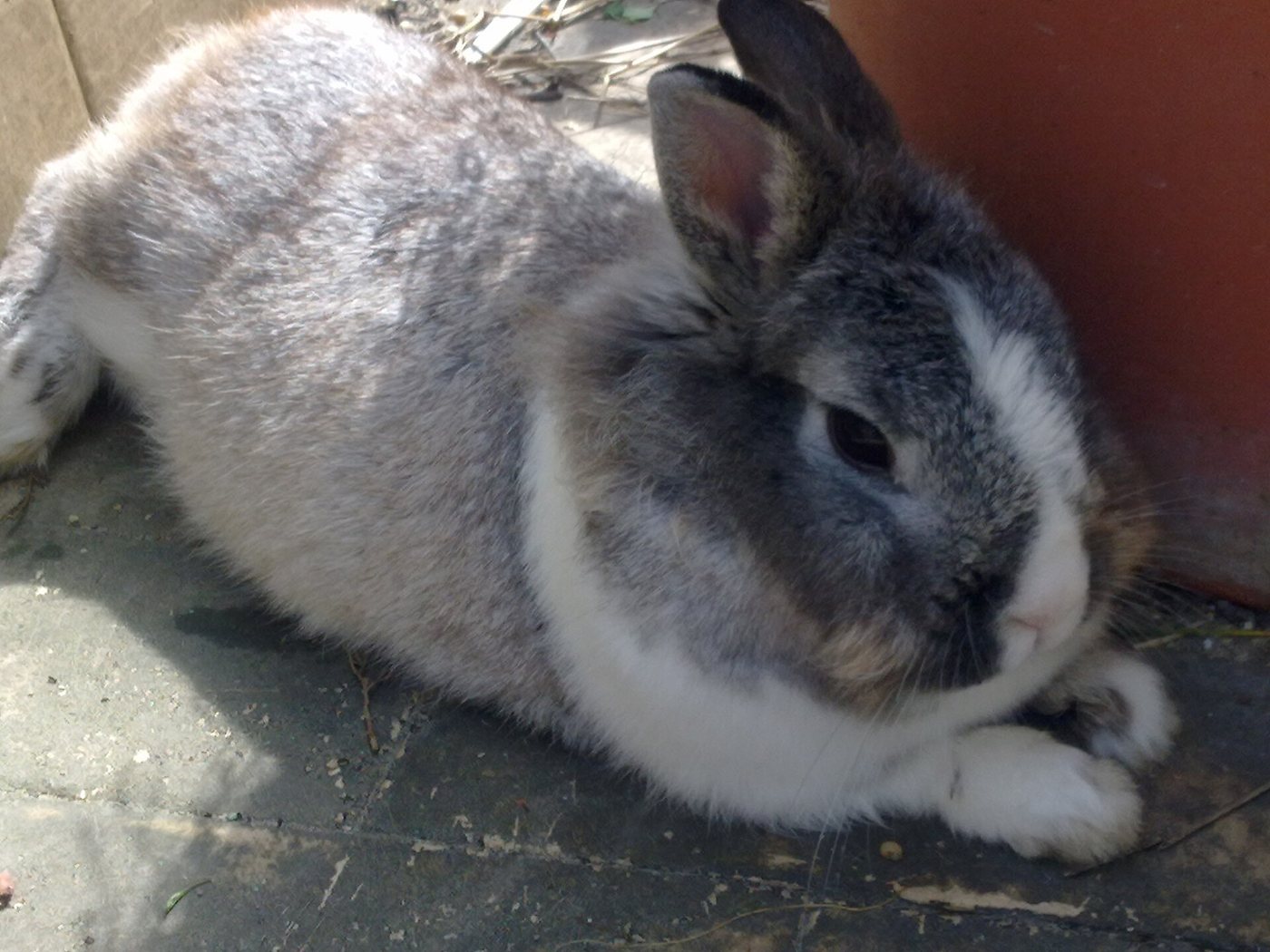
The most instantly recognisable rabbit in the world: a white rabbit wearing a coloured 'saddle' — coloured hindquarters, a blaze of white running up the face, white front feet and a coloured band stopped neatly behind the shoulders, like a rabbit that backed into paint. Colours include black, blue, chocolate, grey, steel, and tortoise. The body is compact and well-rounded, the ears upright and 3–4 inches long, and the eyes ringed with colour. Show judges grade the markings; pet Dutch are endearing even when the paint job is smudged.
Care & daily life
Standard rabbit care suits the Dutch perfectly: unlimited grass hay as the diet's foundation, a measured portion of pellets, daily leafy greens, and fresh water, with space to run — a large pen or free-roam room and hours of exercise daily. The breed's moderate size makes it an easy indoor rabbit and it litter-trains well. Brush weekly, more at moult. Like all rabbits it should be spayed or neutered: calmer temperament, no uterine cancer risk for does, and better litter habits all round. Handle at floor level and support the hindquarters.
Health & lifespan
The Dutch is generally known for the following health watch-points:
- Dental disease and molar spurs, as in all domestic rabbits — hay is the daily prevention
- GI stasis — any rabbit that stops eating needs a vet the same day
- Uterine cancer in unspayed does, a major risk across rabbit breeds
- Respiratory infections ('snuffles', Pasteurella) occur across domestic rabbits
- Flystrike in warm months for outdoor-kept rabbits
Living with a Dutch
Dutch rabbits suit first-time rabbit keepers, families with school-age children, and anyone wanting a manageable, good-natured house rabbit — they are the breed most rabbit societies still point beginners toward. Plan on 7–10 years of daily hay, space, greens, and floor-level company, ideally with a bonded neutered partner if the household is out all day.
History
Despite the name, the Dutch rabbit was largely made in England: Dutch imports of a small marked rabbit (descended from the Petit Brabançon of Belgium) reached England in the 1830s, where fanciers standardised the markings and type into the breed recognised today. It became one of the most popular rabbits on Earth — the archetypal pet rabbit of the 20th century, the white-and-coloured rabbit of logos, storybooks, and a million childhood bedrooms. ARBA recognition dates from the earliest days of the American fancy.